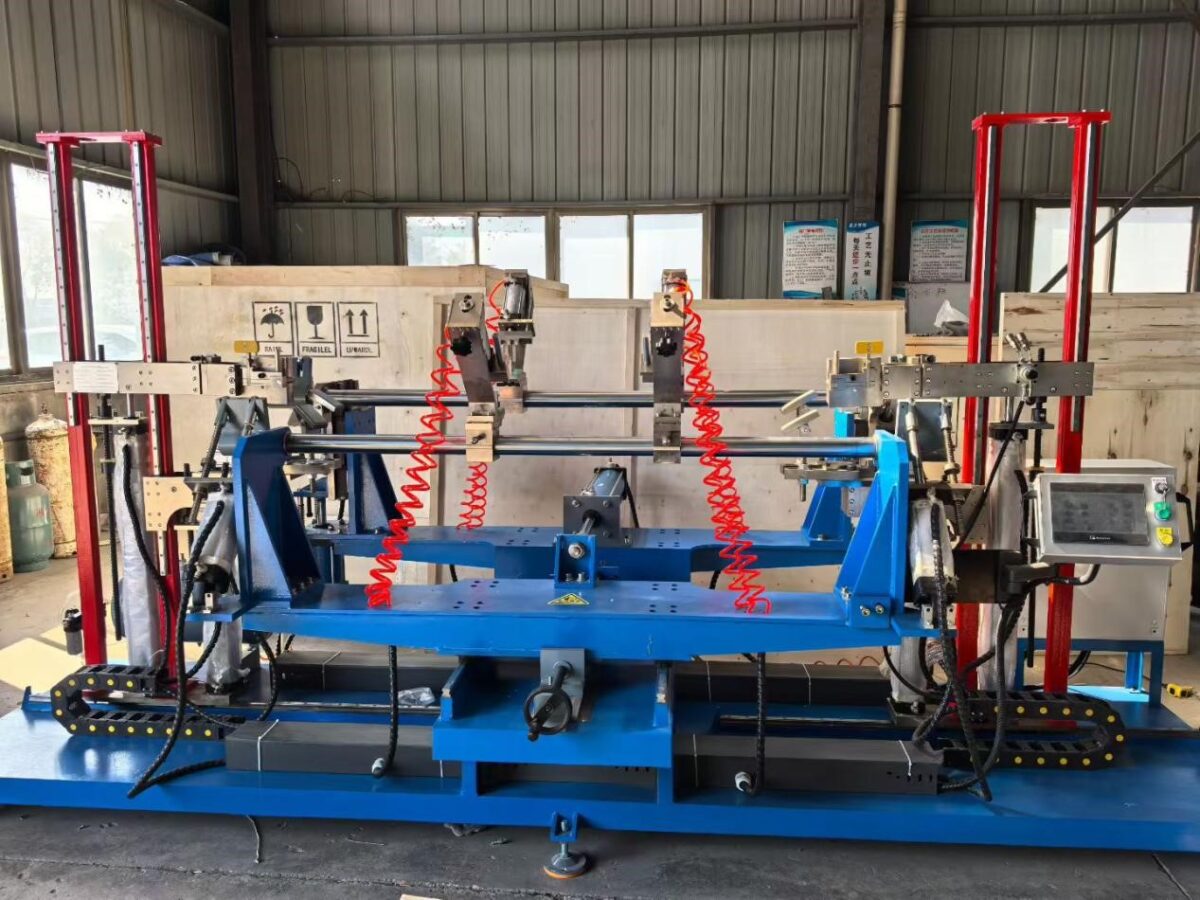
High voltage motors are used in industrial environments where reliable power is essential. Large pumps, compressors, fans, conveyors and processing systems often depend on electric motors capable of handling demanding operating conditions. These motors can remain in service for long periods, so their construction needs to account for electrical stresses, mechanical loads, heat, vibration and regular maintenance requirements.
Producing such a motor requires careful coordination between design, materials, manufacturing equipment and testing. Components cannot simply be assembled and expected to perform correctly without inspection. The stator, rotor, windings, insulation, shaft, bearings and cooling system must all meet their respective specifications and work together as intended.
Modern factories use specialised equipment to improve control over these operations. A high voltage motor manufacturing machine can be developed for a particular stage of production, helping operators perform repetitive or precision-based work with greater consistency. The machine is only one element of the manufacturing system, but when it is correctly integrated with skilled labour and quality control, it can make a meaningful difference to production.
Careful Preparation Sets the Foundation for Quality
The manufacturing process starts with selecting and preparing the materials used in the motor. Electrical steel, copper or other suitable conductors, insulation materials and mechanical components must be compatible with the motor’s design and intended operating conditions.
The stator core is generally assembled from thin laminated steel sheets. These laminations create the magnetic path through which the motor operates. During assembly, manufacturers need to maintain appropriate alignment and dimensions. Controlled equipment can assist with handling and positioning, particularly when producing large cores or multiple motors with similar designs.
The winding system requires another carefully managed process. Conductors are formed into coils and positioned within the stator according to the electrical design. Their dimensions and placement need to be consistent so that the winding fits correctly and maintains the required clearances.
Insulation is especially important in high voltage applications. The insulation system separates electrical conductors from one another and from other motor components. Depending on the design, different materials and application methods may be used. Processes such as wrapping, taping, pressing and curing need to be carried out under appropriate conditions.
A manufacturing machine can help control these processes by maintaining defined speeds, movement patterns, tension or pressure. This reduces some of the variation that can occur when repetitive operations are performed manually.
The rotor has its own manufacturing requirements. Its shaft and rotating components need to be machined and assembled accurately. Once the rotating assembly is complete, balancing equipment can be used to determine whether the mass distribution is suitable for operation. Correct balancing helps control vibration and supports smoother rotation.
Specialised Machinery Supports Repeatable Operations
High voltage motor production normally involves several types of machinery. Each is selected according to the particular manufacturing operation it needs to perform.
Winding machinery can provide controlled conductor movement and tension while forming coils. This is useful when manufacturers need to produce multiple components with similar dimensions. Consistency in coil production can make the subsequent installation process more predictable.
Coil forming equipment can shape the finished winding into the required configuration. Accurate forming is important because the coils need to fit within the available stator space without creating unnecessary pressure on surrounding components or insulation.
Insulation processing equipment can assist with repetitive application tasks. Controlled machinery can help maintain consistent wrapping or pressing conditions, although operators still need to inspect the finished insulation and verify that it meets the relevant requirements.
For mechanical components, computer-controlled machining can provide repeatable dimensions. Shafts and housings can be produced according to programmed specifications, after which measuring equipment can confirm their dimensions.
Rotor balancing equipment is another important part of the production process. It allows technicians to evaluate rotating components and identify locations where correction may be required. This provides a more controlled approach than relying solely on visual inspection.
The value of these machines comes from their integration into the production workflow. If materials, tools, machines and inspection procedures are poorly coordinated, even advanced equipment may not produce the expected results.
Quality Control Should Continue Throughout Production
Quality control is most effective when it takes place throughout manufacturing rather than only at the end. Inspecting components at important stages allows manufacturers to identify problems before they become more difficult or expensive to correct.
Dimensional inspection is one example. Measuring shafts, coils, cores and other components can confirm that they remain within the specified tolerances. If a measurement begins moving outside the expected range, technicians can investigate the cause before additional components are produced.
Visual inspection also remains useful. Workers may examine insulation, connections, mechanical surfaces and assembled components for visible defects. Automated inspection systems can assist with some repetitive checks, but human inspection remains valuable for many manufacturing tasks.
Process monitoring provides another layer of control. Modern equipment can record selected parameters such as speed, tension, temperature, pressure or cycle information. Reviewing these records can help engineers understand whether production is remaining within the planned operating range.
This information can also support continuous improvement. If the same problem occurs repeatedly, production teams can examine process data and determine whether the source is related to machinery, materials, tooling or operator procedures.
Electrical and Mechanical Testing Verify the Finished Motor
After assembly, the motor needs appropriate testing before it is delivered for industrial use. The exact testing programme depends on its design, rating, standards and customer requirements.
Electrical testing can include winding resistance and insulation resistance measurements. Other tests may be carried out to assess the integrity and behaviour of the electrical system. Where applicable, high voltage testing can provide additional information about insulation performance.
Mechanical testing is also important. Technicians may inspect rotor balance, shaft dimensions, alignment and bearing arrangements. During controlled operation, vibration and temperature can be monitored to identify unusual behaviour.
Performance testing allows engineers to compare measured characteristics with the motor’s specified requirements. Depending on the application, measurements may include current, speed, temperature rise and vibration.
Testing also provides feedback to the manufacturing team. A failed or unusual test result should lead to an investigation rather than simply being treated as an isolated problem. Finding the source of a recurring issue can help prevent similar defects from appearing in future production.
Equipment Selection Depends on the Manufacturing Strategy
Choosing machinery for motor production requires an understanding of the factory’s actual needs. Manufacturers should consider the size and type of motors they produce, production volumes, product variety and required tolerances.
A high-volume facility may benefit from equipment capable of repeating standardised operations with limited manual intervention. A manufacturer producing customised or lower-volume motors may place greater importance on flexibility and quick setup changes.
Maintenance requirements should also be considered. Machinery needs routine servicing, inspection and calibration to maintain its performance. Manufacturers should have access to suitable replacement parts and technical support where necessary.
Operator training is equally important. Employees should understand how the equipment works, how to perform routine checks and what to do if an abnormal condition occurs. Well-trained operators can often identify early signs of problems before they result in significant downtime.
Factory layout should also support the production process. Large motor components require suitable areas for lifting, storage and assembly. Equipment should be positioned to reduce unnecessary movement while maintaining safe access for operators and maintenance personnel.
Digital Systems Can Improve Production Visibility
Manufacturing is becoming increasingly data-driven, and motor production is part of this wider development. Modern machines may include digital control systems capable of recording process information and monitoring equipment conditions.
These features can help manufacturers understand how production is performing. If machine settings, cycle information or inspection results are recorded consistently, engineers can compare results between production batches and investigate unusual variations.
Digital monitoring can also support maintenance planning. Changes in machine behaviour may indicate that inspection or servicing is required. This can help production teams address equipment issues before they cause unexpected interruptions, although monitoring systems still require proper interpretation.
Traceability is another potential benefit. Production records can connect components and inspection results with particular manufacturing stages. If a problem is discovered later, this information can make the investigation more systematic.
The increasing use of digital technology does not eliminate the need for experienced personnel. Instead, it gives engineers and technicians additional information that can support their decisions.
Skilled Workers Remain Part of the Manufacturing Process
Even highly automated factories depend on people with appropriate technical knowledge. Engineers establish manufacturing procedures, technicians operate and maintain equipment, and quality specialists verify results.
Human judgement is particularly important when dealing with unusual production conditions. A machine can identify that a measurement has changed, but an experienced technician may need to determine whether the cause is material variation, tool wear, incorrect setup or another issue.
Safety is another area where trained workers are essential. High voltage motor production can involve heavy components, electrical systems, rotating machinery and lifting equipment. Appropriate guarding, isolation procedures, lifting practices and workplace training should therefore be maintained throughout production.
Conclusion
High voltage motor manufacturing depends on many connected processes, from material preparation and winding to insulation, machining, assembly and final testing. Each stage needs suitable controls because the performance of the finished motor depends on the quality of the complete manufacturing process.
A high voltage motor manufacturing machine can improve repeatability and process control for specific operations. However, reliable manufacturing requires more than advanced equipment. Accurate materials, well-defined procedures, regular maintenance, skilled workers and thorough inspection all contribute to the final result.
As manufacturing technology develops, digital monitoring and automation can provide manufacturers with better ways to manage production. Used sensibly, these technologies can support consistent quality while reducing unnecessary variation and improving process visibility. The combination of modern machinery and sound engineering practice remains the practical foundation for producing dependable high voltage motors for demanding industrial applications.